


 720-777-0123

-
Conditions & Advice

Parenting Tips and Advice
From bringing home a new baby to building trust with your teen, our pediatric experts share guidance to help you navigate the ups and downs of parenthood.
-
Your Visit
Click to find the locations nearest you
Find locations by region
See all locations -
Research & Innovation

It starts with a Q:
For the latest cutting-edge research, innovative collaborations and remarkable discoveries in child health, read stories from across all our areas of study in Q: Advances and Answers in Pediatric Health.


ParentSmart HealthlineTM
Caring pediatric nurses are available 24/7 to help answer your questions.
Send Postal Mail To:
Children’s Hospital Colorado
Anschutz Medical Campus
13123 East 16th Avenue
Aurora, CO 80045
Emergency and urgent care locations
In life-threatening emergencies, find the emergency room location nearest you. For non-life-threatening medical needs when your pediatrician is unavailable, visit one of our urgent care locations.
Urgent care locations (hours vary)
See all urgent care locationsNot sure if you need urgent or emergency care? Help me decide
All locations
See a listing of all our Children’s Hospital Colorado locations including inpatient, outpatient, therapy, surgery facilities and more.
Locations near you
See all locationsMore Options


Pediatric Liver Transplant Program

The shortest wait times in the nation combined with our skilled team of transplant surgeons means you have found a place made for the moments that lead to more tomorrows.


About the Pediatric Liver Transplant Program
The Pediatric Liver Transplant Program at Children’s Hospital Colorado is one of the most experienced transplant programs in the country. By offering both deceased and living donor liver transplant, we help children get an organ as quickly as possible. Our non-directed living donor program allows children to benefit from living donation even if no one in their family or community is able to be their donor.
1.5
Months median liver transplant wait time*
97.22%
Liver transplant patient survival rate after 1 year**
91.89%
Liver transplant patient survival rate after 3 years***
*Candidates registered on the waiting list between Janauary 1, 2020 and June 30, 2025. Scientific Registry of Transplant Recipients (SRTR) data released July. 2026.
**Source: Scientific Registry of Transplant Recipients (SRTR), single organ transplants performed between January 1, 2023 and June 30, 2025. SRTR data released July 2026.
***Source: Scientific Registry of Transplant Recipients (SRTR), single organ transplants performed between July 1, 2020 and December 31, 2022. SRTR data released July 2026.
Shortest liver transplant wait times
The median waitlist time for a liver transplant at Children’s Colorado is just 1.5 months. This is much shorter than the national median waitlist time of 4 months, which makes our wait time the shortest in the nation.
Excellent liver transplant survival rates
Our Liver Transplant Program has patient survival rates of 97.22% after one year and 91.89% after three years, which meet national benchmarks.
Multidisciplinary care
Our program includes a multidisciplinary team of experts to care for your child including skilled pediatric transplant surgeons, pediatric transplant hepatologists, pediatric transplant anesthesiologists, infectious diseases experts, social workers, pharmacists, dietitians and nurses.
Living Donor Program
Our Living Donor Program has extensive experience performing living donor liver transplants and as one of the highest volume pediatric living donor programs in the country, we see and treat more children than most transplant centers. Living donor liver transplants significantly shorten the time a child spends waiting for a new organ, which means a transplant occurs before the child’s condition worsens. Living donor liver transplant is associated with better patient and graft survival rates and lower rejection rates post-transplant. Additionally, living donor liver transplant allows the team to choose the day of transplant so it can be performed at the optimal time.
Even if no one in your family or community is able to donate a piece of their liver to your child, our program often has non-directed living donors who are willing to give a piece of their liver to a child they’ve never met.
Multi-listing
Multi-listing is permitted under UNOS and OPTN policy and allows a transplant candidate to be on multiple centers’ waitlists at the same time. If your home center does not offer living donor liver transplant, you can multi-list at Children’s Colorado so that your child can still have the opportunity to benefit from a living donor liver transplant.
Why choose Children’s Colorado for your child’s liver transplant?
Nationally recognized excellence
Our nationally recognized Pediatric Transplant Program is home to the only pediatric-focused transplant program performing liver, kidney and heart transplants in the Rocky Mountain region. Our team includes experienced transplant surgeons, pediatric transplant hepatologists, pediatric transplant anesthesiologists, pediatric interventional radiologists, infectious disease specialists, pediatric intensive care specialists, transplant coordinators and nurses, transplant pharmacists, psychologists, dietitians and social workers.
Specialized pediatric transplant hepatologists
Our program includes seven board-certified pediatric transplant hepatologists who hold advanced certifications in transplant hepatology. Your child will receive care from these very specialized experts and leaders in the field of pediatric liver care and transplantation.
Extensive support services
We have a large multidisciplinary team to help your child and family before and after your child’s transplant. In addition to performing the actual transplant, your family will benefit from many other services, including:
- Help navigating the transplant process with ease from a pediatric transplant nurse coordinator
- Support from a social worker as needed
- Support from a psychologist who specializes in pediatric transplantation
- Financial counseling
- Laboratory testing
- Radiologic imaging
- Child life specialists who explain diagnoses and tests in an age-appropriate way and help kids cope while they’re in the hospital (often with the help of our medical dogs)
- Access to other pediatric medical specialties as needed
- Support groups, annual patient gatherings and directed family educational events
Long-term care for transplant recipients
Recipients of an organ transplant will need to be on life-long medication therapy. Some of the most important medications are immunosuppressants — medications that prevent the immune system from rejecting the transplanted organ. Common side effects of immunosuppressants may include weight gain, increased blood pressure and increased risk of infection. Your healthcare team will work with you to adjust your child’s medications to minimize any side effects while keeping their transplanted organs healthy.
As your child grows, they will eventually transition to adult care and become responsible for their own health care decisions. Programs such as the Improving Pediatric to Adult Care Transitions (ImPACT) Program, in collaboration with your child's liver transplant care specialists, help make the transition to adult care as smooth as possible and ensure that they continue to get great care throughout their lifetime.
Constant improvement through research
Our high volumes help us get the experience we need to provide some of the best transplant options in the country, but we are also constantly evolving through research. Our transplant research helps us develop more effective treatments as well as provide the best quality of life for our patients after they’ve received their transplant.
What medical conditions do we treat with liver transplants?
A variety of conditions can lead to pediatric liver transplantation, including:
- Acute liver failure
- Alagille syndrome
- Alpha-1 antitrypsin deficiency
- Autoimmune hepatitis
- Biliary atresia
- Cirrhosis of the liver
- Congenital hepatic fibrosis
- End-stage liver disease
- Liver tumors: Hepatocellular carcinoma and hepatoblastoma
- Metabolic disorders: Urea cycle enzyme defects, methylmalonic academia and glycogen storage disease
- Primary sclerosing cholangitis (PSC)
- Progressive familial intrahepatic cholestasis
- Wilson disease
Dual Organ Transplant Program
Through our Dual Organ Transplant Program, we can perform simultaneous liver-kidney transplants for children with congenital hepatic fibrosis and autosomal recessive polycystic kidney disease. We also performed our first combined heart-liver transplant in 2025 and will continue to provide dual organ transplant options for those patients in multi-organ failure.
Explore liver transplant options and stories
Kennedie’s Journey
Kennedie’s Journey

See how a living donor liver option made a world of difference for Kennedie and her family.
Olivia’s Journey
Olivia’s Journey

Follow Olivia’s parents as they navigate liver transplantation for their daughter.
Marlee’s Journey
Marlee’s Journey
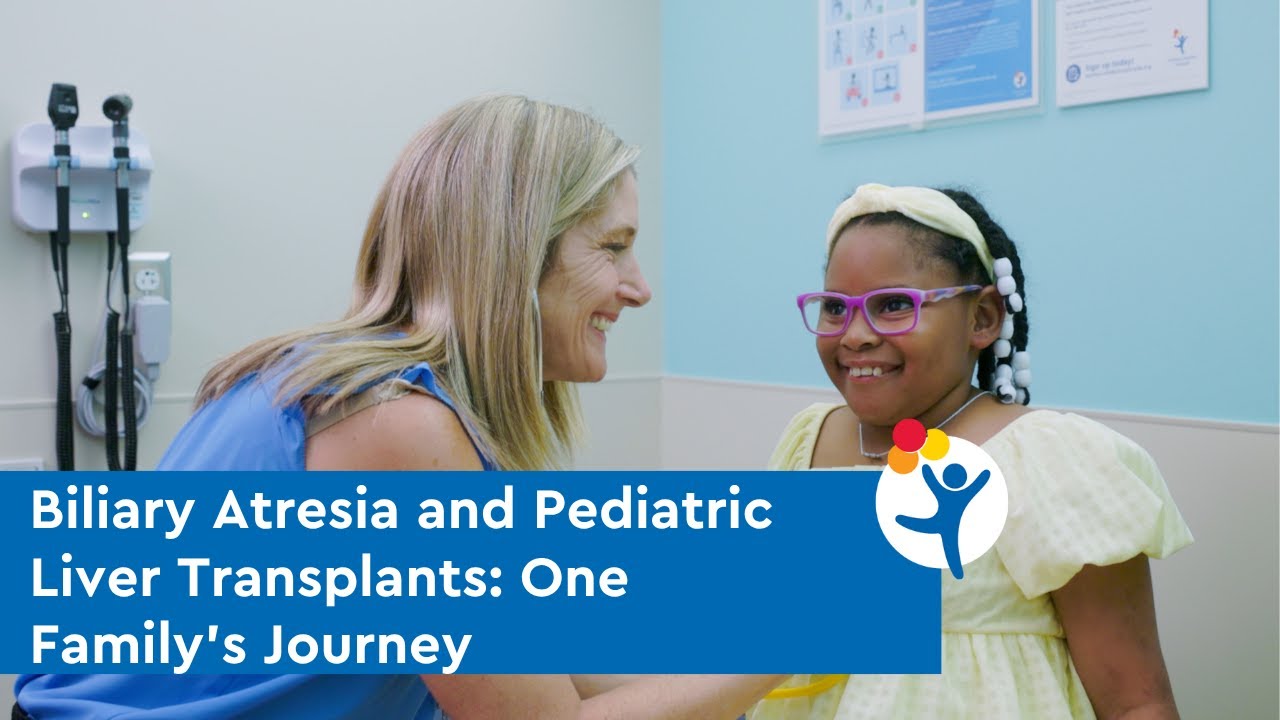
Learn how an early diagnosis helped Marlee get the right treatment faster.
Contact the Liver Transplant Program
For questions or to make an appointment, please contact our liver transplant team at 720-777-6011.
Get to know our pediatric experts


Shikha Sundaram, MD, MSCI
Gastroenterology - Pediatric, Pediatric Transplant Hepatology

Amy Feldman, MD, PhD, MSCS
Gastroenterology - Pediatric, Pediatric Transplant Hepatology

Dania Brigham, MD
Gastroenterology - Pediatric, Pediatric Transplant Hepatology, Pediatrics